

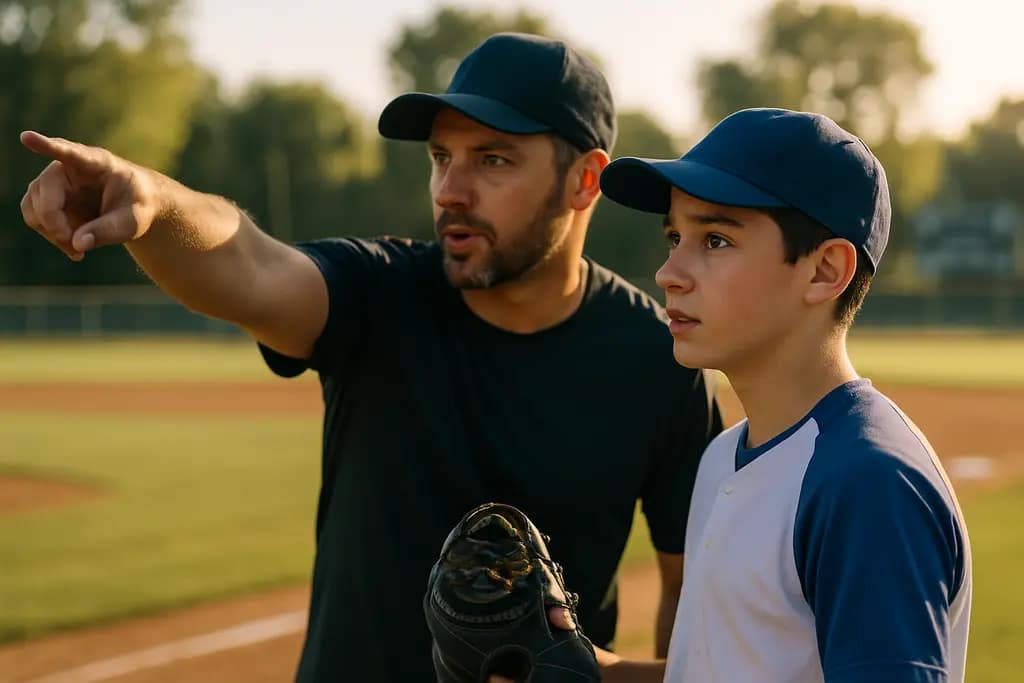
The Concordia prospect camp most relevant to local baseball players has already taken place: Concordia University Texas held its Baseball Fall Prospect Camp on Sunday, May 24, 2026, at Gardner-Boggs Field in Austin. That timing matters because families searching after the fact should not treat that event as still available. The better question now is what the camp format told us about player development, evaluation habits, and how Central Texas athletes can prepare for the next verified opportunity hosted by the program.
For Austin-area high school players, junior college transfers, and families across Travis County, the May 24 camp offered a clear window into what college staffs often want to see in a controlled setting: measurable tools, coachability, positional skill, and the ability to compete through a structured day. Concordia’s official announcement listed eligibility for current high school juniors in the class of 2027, seniors in the class of 2026, and junior college transfers, with the event held on the CTX campus at Gardner-Boggs Field official CTX camp announcement.
What The Concordia prospect camp Measured
Concordia prospect camp Data Points For Position Players
The most useful part of the May 24 format was not simply that players had a chance to be seen. It was that the camp created a shared measurement environment. Concordia listed 60-yard dash times, infield and outfield velocity, catcher pop times, batting practice, and position-player skill drills as part of the day. Those are not full scouting reports by themselves, but they give athletes and families a starting point for honest development planning.
A corner infielder, for example, can leave a camp like this with a better sense of whether his arm strength, footwork, or offensive profile needs the most work. An outfielder can compare run times and throwing velocity against the demands of college-level roster competition. A catcher’s pop time is not the full picture of receiving, leadership, or game-calling, but it does create a number that can be trained against during the summer and fall.
That is the value for local players. A single camp result should not define a player, yet it can bring clarity. Families often hear broad feedback such as “get stronger” or “keep working.” A measured camp setting narrows the conversation. If the arm tool lags, the throwing program becomes more specific. If the run time is close but not quite where it needs to be, speed training can be tied to a real benchmark. If batting practice shows bat speed but limited barrel control, cage work can shift from volume to quality of contact.
Pitcher Evaluation Beyond A Bullpen
For pitchers, Concordia’s listed schedule included bullpen sessions, warm-ups, and specialized throwing work. The optional Rapsodo report, priced at $50 in addition to the camp fee, signaled that pitch data had a place in the evaluation structure. The base price varied by role: $75 for pitchers, $90 for position players, and $110 for athletes participating as both.
From a development standpoint, the bullpen setting is valuable because it gives coaches a compressed look at delivery, tempo, strike throwing, pitch shape, and mound presence. It also gives the player a test of preparation. College staffs are not only looking for the hardest thrower in a small sample. They can also see whether a pitcher warms up with purpose, repeats his delivery, accepts instruction, and competes without a live-game scoreboard.
That point should resonate with Central Texas arms who are still building velocity or physical maturity. A camp bullpen is not the same as a Friday night district start, but it can show whether a player’s process is trending in the right direction. For pitchers coming from smaller high school programs, that environment can be especially useful because it places them beside athletes from other schools and gives them a clearer sense of the next level’s pace.
Why The Austin Location Matters
Gardner-Boggs Field As A Local Evaluation Site
The event was hosted at Gardner-Boggs Field on Concordia’s Austin campus, which matters for accessibility. Local players in Travis County and nearby communities could attend without the major travel costs that come with out-of-state showcases or distant tournament weekends. For families managing school schedules, summer ball commitments, private training, and recruiting expenses, location can shape who gets evaluated and who does not.
The CTX campus setting also gave players more than a workout. Concordia listed a campus tour and a question-and-answer session with coaches as part of the camp structure. That is valuable because the college fit question goes beyond baseball. Division III athletes have to weigh academics, roster opportunity, campus comfort, and financial realities. A player may run well or throw well, but the more important long-term question is whether he can see himself growing in that environment.
Austin’s baseball ecosystem gives camps like this local weight. The region draws athletes from public schools, private programs, travel organizations, and junior colleges. For families tracking the broader Central and South Texas talent flow, our look at San Antonio baseball prospects connects with the same development question: how do players turn local exposure into real next-step planning?
Cost And Access For Families
The listed baseball camp pricing sat between $75 and $110 based on participant role, before the optional pitcher data report. That is still a meaningful family expense, especially for players attending multiple events, but it is a different commitment than a long travel showcase weekend with lodging and fuel layered on top.
For player development, cost should always be weighed against clarity. If an athlete leaves with direct coaching interaction, a better understanding of measurable strengths and weaknesses, and a sharper training plan, the event can have value beyond recruiting visibility. If a family treats the camp only as a one-day tryout, the return becomes narrower.
- Best use for position players: compare speed, throwing, defensive actions, and batting practice results against college expectations.
- Best use for pitchers: test bullpen execution, receive feedback, and consider whether data such as a Rapsodo report would support training decisions.
- Best use for families: ask about academic fit, roster needs, communication timelines, and what coaches recommend after the event.
How Local Players Should Use The Feedback
Turn One-Day Metrics Into A Training Block
A camp only matters if the information becomes useful after the athlete leaves the field. The most practical move is to convert the feedback into a six-to-eight-week training block. That does not require a complicated plan. It requires choosing one or two priorities and measuring progress against them.
If a middle infielder needs quicker exchange and more carry across the diamond, he can build throwing work, footwork patterns, and strength training around that need. If a catcher’s pop time is held back by transfer speed rather than arm strength, the training focus changes. If a pitcher’s bullpen shows inconsistent fastball command, throwing harder may not be the immediate answer. The answer may be a repeatable direction to the plate and better fastball usage.
This is where the Concordia prospect camp format was useful for serious players. It joined exposure with development signals. A player did not simply show up and hope to be noticed; he moved through measurable stations and coach-led work that can inform the next phase of training.
Recruiting Context Without Overreaction
Families should also be careful not to overstate what one camp can do. A strong day can help start or strengthen communication, but it does not guarantee a roster spot. A disappointing measurement does not close a player’s path, either. The better reading is that a camp provides a snapshot under one set of conditions.
That is especially true for high school juniors and seniors, the core baseball eligibility group listed for the May 24 event. Players in those classes often feel pressure to make every rep count because the recruiting calendar can feel tight. Coaches, though, usually want to see growth patterns, academic fit, and whether the player responds well after receiving instruction. A camp can open the conversation, but follow-up work carries the most weight.
What Families Should Verify Before The Next CTX Baseball Date
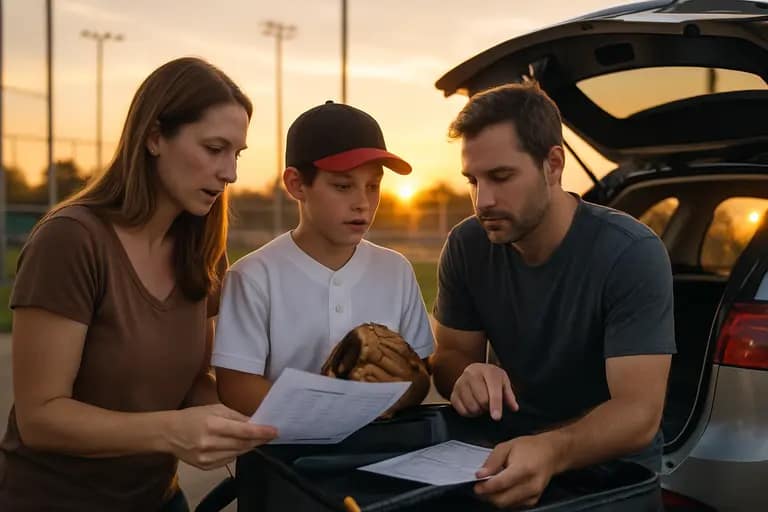
Because the May 24 baseball event has concluded as of October 5, 2026, families should confirm any future CTX baseball opportunity through Concordia’s official athletics channels before planning around it. Research notes outside the approved official camp announcement referenced another men’s baseball ID/prospect date on October 18, 2026, but the high-confidence source available here is the official Concordia page for the May 24 event. That means families should avoid relying on secondary listings unless CTX confirms the date, eligibility, cost, and registration process.
That caution is not just administrative. It protects player planning. A family needs to know whether a camp is designed for high school underclassmen, upperclassmen, junior college transfers, pitchers, two-way players, or specific position groups. It also matters whether the day includes live games, skill testing, bullpens, campus admissions content, or coach Q&A.
For local players, the smartest approach is to keep a current skills profile ready before the next verified Concordia prospect camp. That profile should include graduation year, primary and secondary positions, academic information, summer or fall team, recent measurable data, and short video. Players do not need to make the process flashy. They need to make it accurate, current, and easy for a college coach to understand.
Why The Concordia Prospect Camp Still Matters
The May 24 event is over, but its structure still offers a practical model for player development in Central Texas. The camp combined measurable testing, baseball-specific skill work, pitcher evaluation, batting practice, campus exposure, and direct contact with coaches. That mix is exactly why a local college camp can matter even after the date passes.
For Austin-area players, the lesson is not to chase every showcase on the calendar. The lesson is to choose events that create useful feedback and then train from that feedback. The Concordia prospect camp gave athletes a setting where tools could be measured and habits could be observed. The next step belongs to the players: build the body, sharpen the skill, ask better questions, and be ready when Concordia posts another verified baseball opportunity.