


Correa Recovery has become more than a health update for Houston. As of September 22, 2026, Carlos Correa’s left ankle status now sits near the center of the Astros’ 2027 recruitment plan, shaping how the front office weighs free agents, trade targets, infield depth and internal development. Correa tore the peroneus brevis tendon in his left ankle on May 5, 2026, had surgery shortly afterward and initially faced a six-to-eight-month recovery window, according to Houston Chronicle reporting.
For Houston, the issue is not simply whether Correa can return. The sharper question is what kind of roster the Astros should build around him after a season that ended without his late push back onto the field. Professional baseball recruitment is not college-style recruiting. For the Astros, it means free-agent targeting, trade planning, retention decisions, minor league promotion paths and bench construction. Correa’s shutdown changed the balance of those choices.
How Correa Recovery Resets Houston’s Timeline
Correa Recovery And The Medical Clock
By early September 2026, Correa had reached a meaningful stage in rehab. He was running at about 95 percent intensity, swinging the bat, fielding ground balls and scheduled to continue work at the club’s Spring Training facility in West Palm Beach, as detailed in an MLB.com report. That level of activity gave Houston a real evaluation point, not just a hopeful projection from a training room.
The Correa Recovery timeline then hit a clear limit. On September 15, 2026, manager Joe Espada announced that Correa would not return for the rest of the 2026 season after soreness developed during the ramp-up. Correa later confirmed that a doctor stopped the comeback attempt after live batting practice, base-running and defensive work because the surgically repaired tendon had not matured enough for full baseball activity.
Why The Shut Down Matters
The decision protected the player, but it also gave the front office a cleaner winter assignment. Instead of trying to judge Correa off a rushed September sample, Houston can treat 2027 as the target and build contingency plans around that date. That matters for a club with postseason standards in Texas, where Astros roster decisions are not viewed as abstract payroll math. They affect Minute Maid Park expectations, Gulf Coast player development choices and the way Houston sells opportunity to veterans who want defined roles.
There is still uncertainty. The research supports that Correa made progress, then was stopped because the tendon was not ready for a full return. It does not prove what his 2027 workload will look like in March, April or beyond. That gap is where recruitment strategy must be disciplined. Houston cannot assume a fully restored everyday workload without backup plans, but it also cannot spend as if Correa has no path back into the infield mix.
Recruitment Choices After Correa Recovery
Payroll Pressure And Role Fit
Recruitment Choices After Correa Recovery start with role clarity. Correa’s contract carries a high average annual value, and the Astros already have other major infield commitments or controls in place. The 2027 picture includes Christian Walker at first base, Jose Altuve at second base, Jeremy Peña at shortstop, Isaac Paredes at third base and Correa in the mix. That is not a thin group. It is a crowded one.
That crowding should push Houston away from a simple big-name hunt on the infield market unless medical information changes. Correa Recovery should make the Astros more selective, not more passive. A major outside addition at third base or shortstop could create a positional jam if Correa reports healthy. A lower-cost utility infielder, a right-handed or left-handed bench complement, or a player with real multi-position value would fit the known facts more cleanly.
This is where Houston’s front office has to separate insurance from duplication. Insurance covers risk without blocking pathways. Duplication spends money on a role that may already belong to Correa, Paredes, Peña, Altuve or Walker. The better recruitment target may be a player who can handle two or three infield spots, survive stretches of part-time duty and still start for two weeks if an ankle, back, hamstring or workload issue forces a shuffle.
Why Bench Depth Becomes More Valuable
Correa has expressed willingness to play any infield position in 2027, including third base, second base, shortstop or first base, based on the team’s lineup needs. That flexibility is valuable, but it also raises the standard for the rest of the roster. If Correa can move, Houston can recruit around matchups and health rather than one locked defensive alignment.
A flexible Correa should change the bench profile. The Astros do not need every reserve to be a future regular. They need players who can protect the coaching staff from overusing veterans during long stretches, especially in the heat and travel rhythm of a Texas summer. A bench player who can defend second and third, handle late-game matchups and avoid forcing Correa into back-to-back stress days may carry more practical value than a narrow bat with limited defensive use.
That approach also fits the larger Houston pattern of trusting the core while looking for supporting pieces. Texas Baseball Review has tracked how Houston’s trade deadline strategy reflected belief in its major league group. The same idea applies to the winter before 2027: recruit around the core, but do not ignore the places where health has created risk.
How The Infield Logjam Changes Evaluation
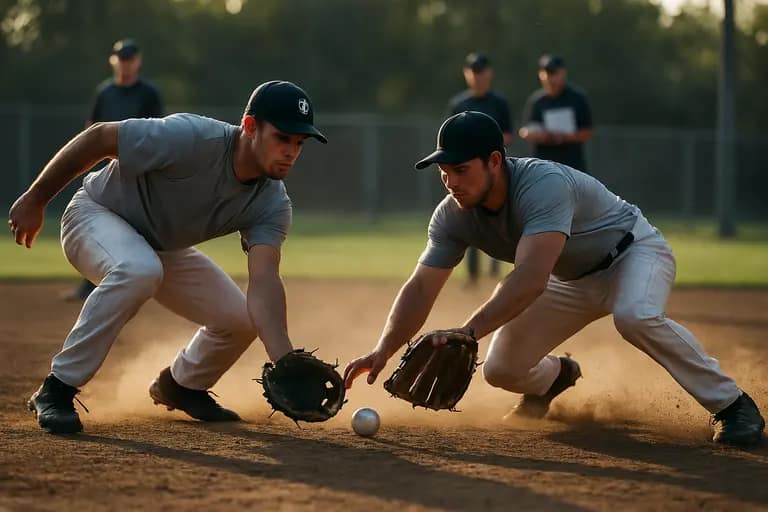
Paredes, Peña And Internal Answers
Correa’s 2026 shutdown gave Houston a longer look at internal answers. Isaac Paredes, in particular, became more relevant because the club could evaluate him with regular reps rather than treating him only as a temporary placeholder. That matters for 2027. If Paredes shows he can handle third base every day, Correa’s best fit may shift. If the Astros prefer Correa at third, Paredes could become part of a different alignment.
Peña’s presence at shortstop also keeps the strategy from becoming simple. Correa’s history at shortstop is part of his value, but Houston does not have to frame 2027 as a one-position return. The most useful version of Correa for the Astros may be the one who gives Espada choices: third base against one matchup, shortstop cover on another day, first base or second base if the roster needs a reset.
That kind of flexibility affects recruitment interviews. A veteran free agent will want to know where at-bats exist. A trade partner will want to know whether Houston is dealing from surplus or searching for protection. A young player in the system will watch whether the club creates real opportunity or fills every possible opening with an outside addition.
The Player Development Read
For a Texas club with a long major league window, player development cannot be separated from recruitment. If Houston adds too many fixed-position veterans, it may reduce the chance to test younger depth in April and May. If it adds too little, one setback could leave the major league lineup short. The Correa decision gives the Astros time to thread that needle.
The strongest recruitment plan should include spring competition rather than a closed depth chart. Houston can invite or acquire players who understand the assignment: earn a utility role, provide injury cover, accept movement between positions and stay ready if Correa’s workload needs limits. That is not glamorous roster building, but it is often how clubs protect 162 games without overpaying for certainty that the market rarely provides.
- Primary need: infield insurance that does not block a healthy Correa.
- Secondary need: bench versatility that helps Espada manage veteran workload.
- Evaluation need: enough 2027 reps to judge Paredes and other internal options honestly.
- Financial need: cost control around a roster already carrying major commitments.
What Correa’s Return Means For Astros Recruiting
Correa’s return path should make Houston more targeted in the 2027 recruitment cycle. The Astros have enough infield names to avoid panic spending, but the ankle setback makes depth a real baseball need rather than a paper luxury. The smartest plan is not built on blind optimism or fear. It is built on medical patience, defensive flexibility and honest evaluation of the players already in the building.
For the Houston baseball community, that creates a winter storyline with more substance than a single transaction rumor. Correa remains a veteran whose leadership and willingness to move around the infield can influence how players view the Astros as a destination. At the same time, the club has to prove it can protect him without freezing out Paredes, Peña or bench candidates who may be needed across the long schedule.
If Correa enters 2027 healthy, the Astros can use his flexibility to create matchup advantages and rest patterns. If his workload requires limits, a well-built bench becomes a necessity. That is why the recruitment strategy should focus less on adding another headline infielder and more on building a roster that can absorb uncertainty. In Houston, where the standard remains tied to October expectations, that may be the most practical way to turn a difficult 2026 injury into a sharper 2027 plan.